AI UGC Creator: How Women Are Charging $300–$1,500 Per Video Brands Never See Them Film
Brands need thousands of authentic videos a month and can't make them fast enough. AI closed the skill gap — here's the exact workflow, pricing, and pitch.
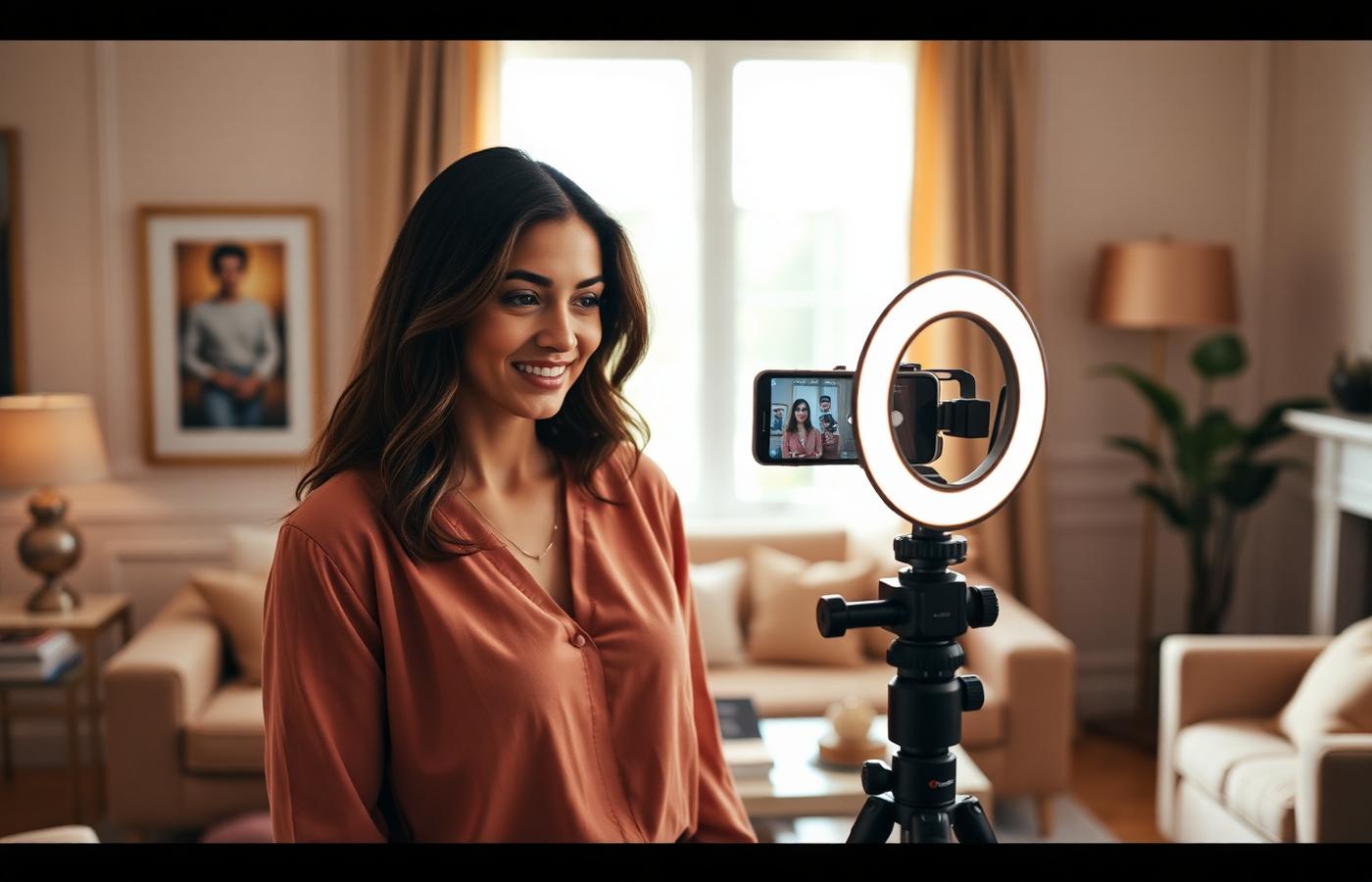
There is a quiet job market in 2026 that pays like freelance consulting but requires none of the credentials: user-generated content, or UGC. Brands do not want polished commercials anymore — they want twenty different women holding their product in twenty different kitchens, and they need new versions every single week because ad creative burns out in days.
That volume problem is why rates are high and why AI changed everything. The old bottleneck wasn't filming; it was writing hooks, editing, captioning, and pitching. AI removed all four. A woman with a phone, a window, and a good prompt library can now deliver in two hours what an agency bills a week for.
What UGC Actually Is (And Isn't)
UGC is content you create for a brand to use in their own ads and social channels. You are not an influencer. You do not need followers. Nobody has to see the video on your page — in most contracts, they never do. You are a creative supplier, closer to a freelance photographer than to a content creator.
- Influencer deal: paid for your audience. Requires followers.
- UGC deal: paid for the footage. Requires only the footage.
This distinction is why UGC is the most accessible paid content work for beginners, and why it pairs so naturally with the faceless AI channel model — one shows your face for money, the other hides it for money, and many women run both.
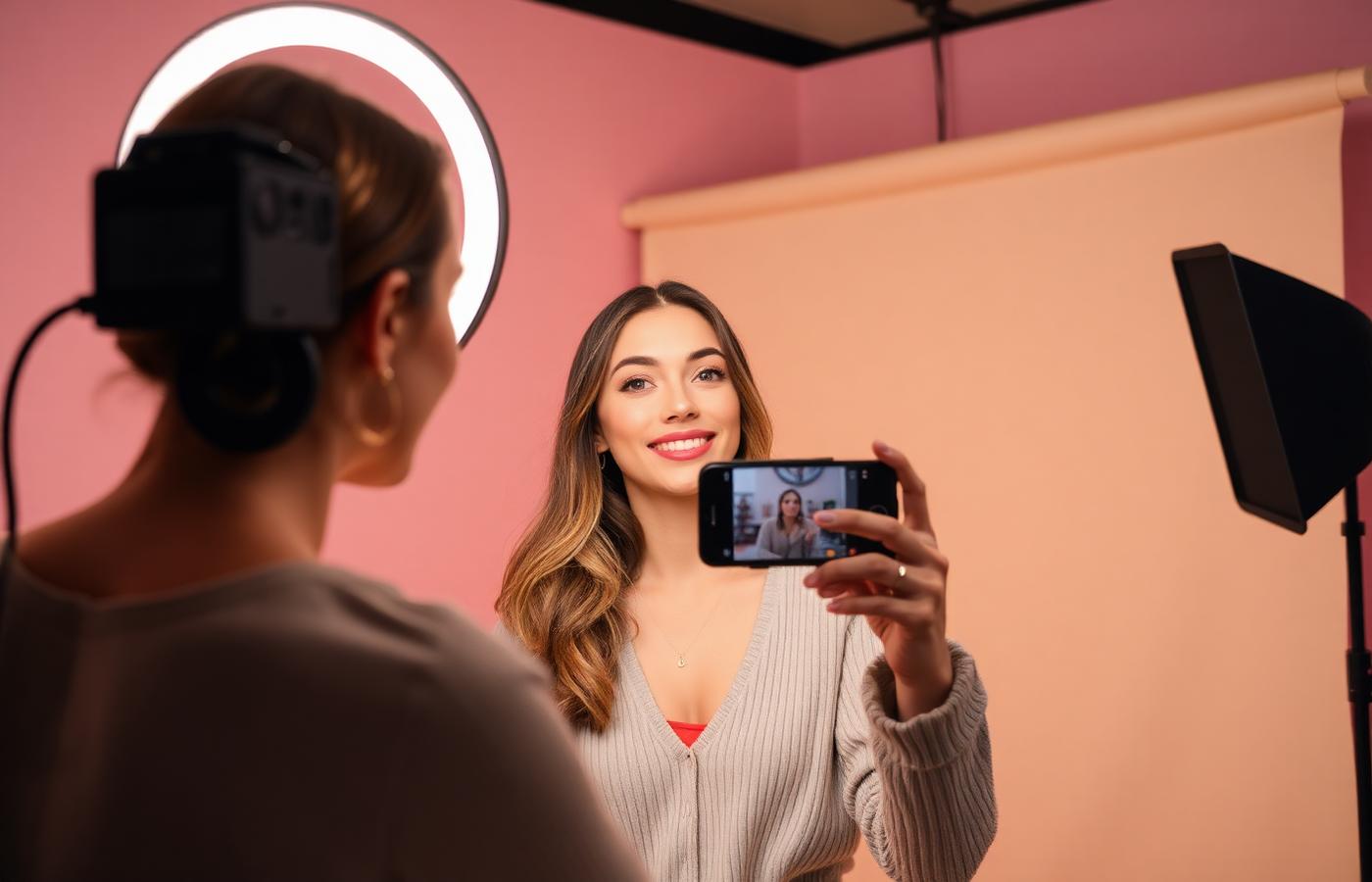
What Brands Actually Pay in 2026
Rates vary by niche and usage rights, but the working market looks like this:
- Starter (0–5 clients): $150–$300 per video, usually a 3-video bundle.
- Established (portfolio + testimonials): $400–$700 per video.
- Specialist (beauty, supplements, finance apps, B2B SaaS): $800–$1,500 per video.
- Add-ons: +30% for paid ad usage rights, +$75–$150 per extra hook variation, +$100 for raw footage.
The add-ons matter more than the base rate. Brands testing ads want five hooks on one body — five openings, same middle. That is fifteen extra minutes of work and often doubles the invoice. Understanding usage rights is standard practice across creative freelancing; the FTC endorsement guides are worth twenty minutes of your time before you sign anything.
The AI Workflow: Two Hours From Brief to Delivery
Step 1 — Research the brand's angle (10 minutes)
Paste the product page and three of the brand's existing ads into your AI assistant. Ask: "What objection is each ad answering? Which objection are they not addressing?" You now have an angle nobody else pitched.
Step 2 — Generate 10 hooks, keep 3 (10 minutes)
Hooks are 90% of performance. Ask for ten openings under eight words, split across curiosity, problem, and result formats. Reject anything that sounds like an advertisement. "I stopped buying these after I found…" outperforms "This product is amazing."
Step 3 — Script in spoken language (10 minutes)
Ask AI to write at a sixth-grade reading level with contractions and one imperfection. Then read it aloud and change every phrase you'd never actually say. This is the same voice-preservation discipline covered in the AI content creation guide for female creators.
Step 4 — Film in one take per section (30 minutes)
Natural window light, phone at chest height, three angles: talking head, product close-up, product in use. Do not aim for perfect. Slightly messy footage converts better than studio footage in almost every category.
Step 5 — Edit and caption with AI (30 minutes)
Automatic captions, filler-word removal, and silence trimming are one-click features now. Keep cuts under two seconds. Add on-screen text that repeats the hook — many viewers watch with sound off.
Step 6 — Deliver like a professional (15 minutes)
Send a clean folder: final videos, hook variations, raw footage if paid for, and a one-paragraph note on why you chose that angle. That note is what turns a one-off into a monthly retainer.
How to Get Your First Three Clients
You do not need a client to make a portfolio. Pick three products you already own and love, and make one spec video for each. That is your portfolio. Now pitch.
Where to find brands
- Brands already running ads in your niche (if they're spending, they need creative).
- Newly funded DTC brands — they have budget and no creative team yet.
- Small brands whose ads look like stock photography. They are starving for real footage.
- Creator marketplaces, but treat them as a floor, not a strategy — rates there are the lowest in the market.
The pitch that works
Short, specific, and already useful:
"Hi [Name] — I noticed your ads lead with the ingredient list, but the reviews all talk about how fast it works. I filmed a 22-second version leading with speed instead. It's attached, free to use. If it performs, I do 3-video bundles at $350 each."
You gave before asking. Reply rates on that format are dramatically higher than any template that starts with "I'm a UGC creator."
The Retainer Upgrade (Where the Real Money Is)
One-off videos are a job. Retainers are a business. After the second successful delivery, offer: eight videos a month, four hook variations each, $2,000/month. For a brand, that is cheaper and faster than any agency. For you, it's predictable income from one relationship.
Once you hold two or three retainers, the constraint becomes your time — which is exactly the moment to bring in AI agents for scheduling, briefs, and follow-ups, or to systematize the whole thing into an AI automation agency serving the same clients.
Realistic 30-Day Plan
Week 1 — Portfolio
Three spec videos for three products you own. Build a simple portfolio page or shared folder. Write your rate card.
Week 2 — Outreach
Twenty personalized pitches. Track them in a spreadsheet. Expect two to four replies — that is a normal, healthy rate.
Week 3 — Deliver and over-deliver
Land one client, deliver early, include a free bonus hook. Ask for a written testimonial the same day they say "this is great."
Week 4 — Raise and repeat
Add the testimonial to your portfolio, raise your rate by $50, send twenty more pitches. Rates in this market rise through proof, not time.

Mistakes That Keep Women Underpaid
- Selling videos instead of results. Brands buy lower cost-per-acquisition, not clips. Speak in their language.
- Free usage rights. If they run it as a paid ad, that is a separate, paid line item. Always.
- Perfectionism. The best-performing UGC looks like a friend's text message, not a commercial.
- No niche. "UGC creator" is invisible. "UGC for skincare brands targeting women over 40" gets booked.
- Waiting to feel ready. Your third video will be better than your first, and only filming gets you there.
Frequently Asked Questions
Do I need followers?
No. Most UGC contracts never publish to your account at all. Zero followers is completely normal in this market.
What equipment do I need?
A phone from the last four years, a $25 tripod, and a window. A $30 clip-on microphone is the only upgrade that measurably improves bookings.
Is AI-generated video replacing UGC creators?
Synthetic footage works for B-roll and product shots, but conversion still favors real faces in real homes — trust is the entire point of the format. AI is your production crew, not your replacement.
How fast can I earn my first $1,000?
Most women who send twenty real pitches a week reach it in four to eight weeks. Volume of outreach, not talent, is the variable.
Do I need a business license?
Requirements vary by country and state; freelancing usually starts as sole-proprietor income. Check your local rules and keep receipts from day one.
The Bottom Line
UGC pays because brands have an unlimited appetite for authentic video and a finite ability to produce it. AI collapsed the skill barrier to a single afternoon of learning. What remains — taste, warmth, and knowing what women actually find believable — is the part you already have.
Build from here: master the tools in best AI tools for women entrepreneurs, turn your process into income that runs without you with AI digital products, and stack it all inside a wider AI side hustle strategy.
Loved this article?
Share it with a friend who's ready to build wealth with AI — or subscribe for daily trending topics.
You might also like
AI Podcasting for Women: How to Launch, Edit, and Monetize a Show in 90 Days Without a Studio
Launch and monetize a podcast in 90 days using AI editing, voice tools, and smart distribution - no studio or audio engineering degree required.

Building an AI-Powered Personal Brand on LinkedIn: How Women Turn 30 Minutes a Day Into Inbound Clients
You do not need to go viral. You need forty of the right people to recognise your name. Here is the AI-assisted system that gets you there.
AI Voice Work: How Women Are Earning $2,000-$6,000 a Month Narrating Audiobooks, Ads, and Explainers
Voice work used to mean a soundproof booth and ten-hour sessions. AI cut the production time by 80% - here's how women are turning that into $2,000-$6,000 a month.