AI Podcasting for Women: How to Launch, Edit, and Monetize a Show in 90 Days Without a Studio
Launch and monetize a podcast in 90 days using AI editing, voice tools, and smart distribution - no studio or audio engineering degree required.
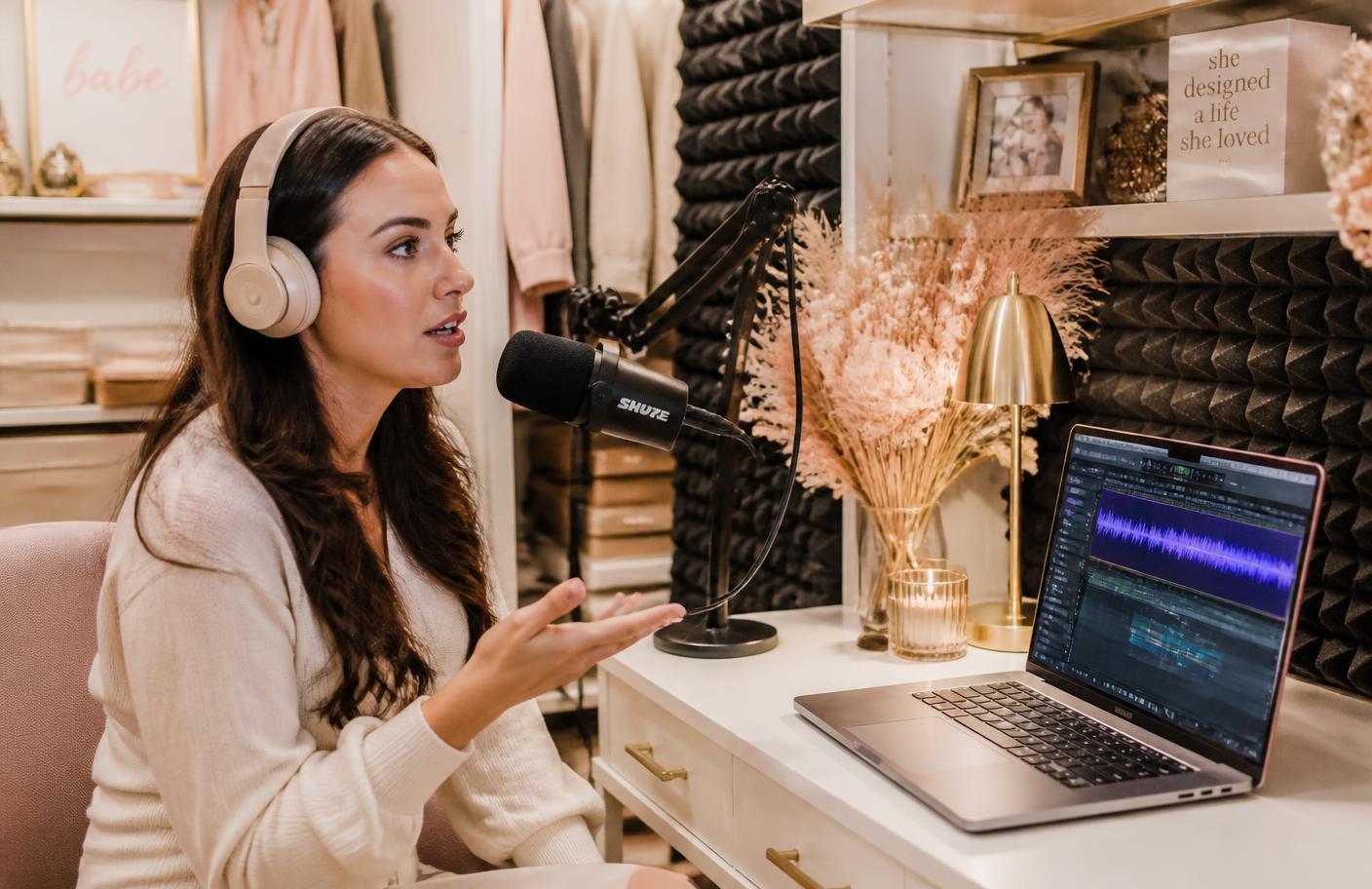
Podcasting used to require a studio, an engineer, and a tolerance for expensive mistakes. In 2026, women are launching professional shows from closets, cars, and kitchen tables - and some are hitting the charts within 90 days. The difference is AI podcasting: tools that record, edit, transcribe, promote, and even monetize a show with a fraction of the effort.
This guide is for women who have something to say but do not want to become audio engineers. You will learn how to pick a niche, record clean audio anywhere, edit in minutes, build an audience, and turn listeners into income.
Key Takeaways
- AI removes the technical barrier to podcasting; the remaining advantage is a clear point of view.
- A narrow niche with 1,000 true fans outperforms a broad show with 10,000 casual listeners.
- Editing, show notes, clips, and social posts can all be generated or assisted by AI.
- Monetization starts early with coaching, services, and affiliate links, before sponsorships arrive.
- Repurpose every episode into a newsletter, blog, and short-form video to maximize reach.
Why Podcasting Is a Power Move for Women in 2026
Podcasts build trust faster than almost any other content format. Listeners hear your voice, your laugh, your pauses. That intimacy converts to clients, customers, and community in a way that a tweet thread never will. According to Edison Research, podcast listenership continues to grow year over year, and women represent one of the fastest-growing listener demographics.
AI makes the format accessible by handling the parts most people hate: editing out "ums," writing show notes, creating audiograms, and scheduling guests. You focus on the conversation.
Step 1: Choose a Niche Smaller Than You Think
The shows that win are not general. They are specific. "Career advice for women" is too broad. "Negotiation scripts for women returning to work after maternity leave" is a niche that owns a corner of the internet.
Pick something where:
- You have personal experience or strong curiosity.
- People already spend money to solve the problem.
- You can name fifty people who would eagerly listen to episode one.
If your niche overlaps with business, consider pairing podcast content with a coaching program or a newsletter for recurring revenue.
Step 2: Record Great Audio Without a Studio
You do not need a $500 microphone to start. A $60 USB mic, a closet full of clothes, and a free recording platform will outperform a fancy setup in an echoey room. The goal is clean, consistent audio, not broadcast perfection.
AI recording tools like Riverside, SquadCast, and ZenCastr record separate tracks locally, so internet hiccups do not ruin the file. They also generate transcripts automatically. For solo shows, your phone voice memo plus AI cleanup can be enough for the first ten episodes.
If you prefer not to use your own voice for narration, our AI voice work guide covers how professionals use synthetic voices ethically and effectively.
Step 3: Edit in Minutes, Not Hours
This is where AI changes everything. Descript-style editors let you cut audio by editing text. Remove filler words with one click. Shorten pauses. Add music and transitions from an AI-suggested library. A 45-minute episode can be publish-ready in 20 minutes.
Your editing checklist:
- Remove long pauses, filler words, and false starts.
- Normalize volume so listeners do not have to adjust.
- Add intro music and a short call to action at the end.
- Export a transcript for accessibility and SEO.
For a full content toolkit, see the best AI tools for women entrepreneurs.

Step 4: Build a Distribution System
Publish everywhere at once using a hosting platform like Spotify for Podcasters, Apple Podcasts, or Buzzsprout. One upload should feed every directory.
Then repurpose:
- Turn the transcript into a blog post with AI assistance.
- Pull three 60-second clips for Reels, TikTok, and Shorts.
- Create an audiogram with a quote card for Instagram.
- Send a newsletter summary with links and timestamps.
If you want to stay off camera, the faceless YouTube channel model pairs beautifully with a podcast.
Step 5: Monetize Before You Are Famous
Most podcasts never get big sponsorships, and they do not need to. There are faster ways to earn:
- Services: A podcast about organizing homes can sell home-organizing consultations.
- Coaching: A show about career transitions can offer resume and interview coaching.
- Digital products: Turn your most popular episodes into templates, guides, or mini-courses.
- Affiliate links: Recommend books, tools, and products you actually use.
- Sponsorships: Become viable around 1,000 downloads per episode in a focused niche.
We cover paid creator work in our AI UGC creator guide. Many podcasters add UGC-style brand deals to their revenue mix.

Step 6: Grow With Consistency and Community
Podcast growth is slower than viral video but far more durable. The algorithm that matters most is the human one: listeners telling friends. Show up weekly, reply to every review, and mention listeners by name.
AI can help you:
- Generate episode titles and descriptions that rank in podcast apps.
- Draft social posts for each episode.
- Identify the most quotable moments from a transcript.
- Build a simple website for your show.
But it cannot replace your point of view. The shows that last are the ones where the host has a clear perspective and keeps refining it.
90-Day Launch Timeline
- Days 1-14: Define your niche, name the show, record three practice episodes.
- Days 15-30: Launch with three episodes live, publish one per week after that.
- Days 31-60: Build a clip-and-repurpose workflow, start a newsletter, ask for reviews.
- Days 61-90: Introduce one monetization offer and measure conversion.
Frequently Asked Questions
Do I need an expensive microphone?
No. A $60 USB mic in a closet will sound better than a $400 mic in a reflective room. Treat the space first.
How long should my episodes be?
Start with 20-35 minutes. Long enough to be useful, short enough to finish in a commute. Let listener retention data guide you.
Can AI write my entire podcast script?
Use AI for outlines and bullet points, not full scripts. Listeners can hear the difference between a real conversation and a generated monologue.
How do I get guests?
Start with people one step ahead of you. Send a short, specific pitch: your audience, the topic, and why them. Most say yes if the fit is clear.
When should I start monetizing?
Immediately, if you have a service or product to sell. Sponsorships usually make sense after 1,000+ downloads per episode.
The Bottom Line
AI podcasting gives women a voice without requiring a studio budget or audio engineering degree. The real work is deciding what you stand for and showing up consistently. Everything else - editing, promotion, monetization - can be supported by AI.
Begin with one episode recorded on your phone this week. Then explore AI voice work, pair your show with a newsletter business, or build a faceless YouTube channel from the same content. Your voice is the asset; AI is just the production crew.
Loved this article?
Share it with a friend who's ready to build wealth with AI — or subscribe for daily trending topics.
You might also like

Building an AI-Powered Personal Brand on LinkedIn: How Women Turn 30 Minutes a Day Into Inbound Clients
You do not need to go viral. You need forty of the right people to recognise your name. Here is the AI-assisted system that gets you there.
AI Voice Work: How Women Are Earning $2,000-$6,000 a Month Narrating Audiobooks, Ads, and Explainers
Voice work used to mean a soundproof booth and ten-hour sessions. AI cut the production time by 80% - here's how women are turning that into $2,000-$6,000 a month.

AI UGC Creator: How Women Are Charging $300–$1,500 Per Video Brands Never See Them Film
Brands need thousands of authentic videos a month and can't make them fast enough. AI closed the skill gap — here's the exact workflow, pricing, and pitch.